
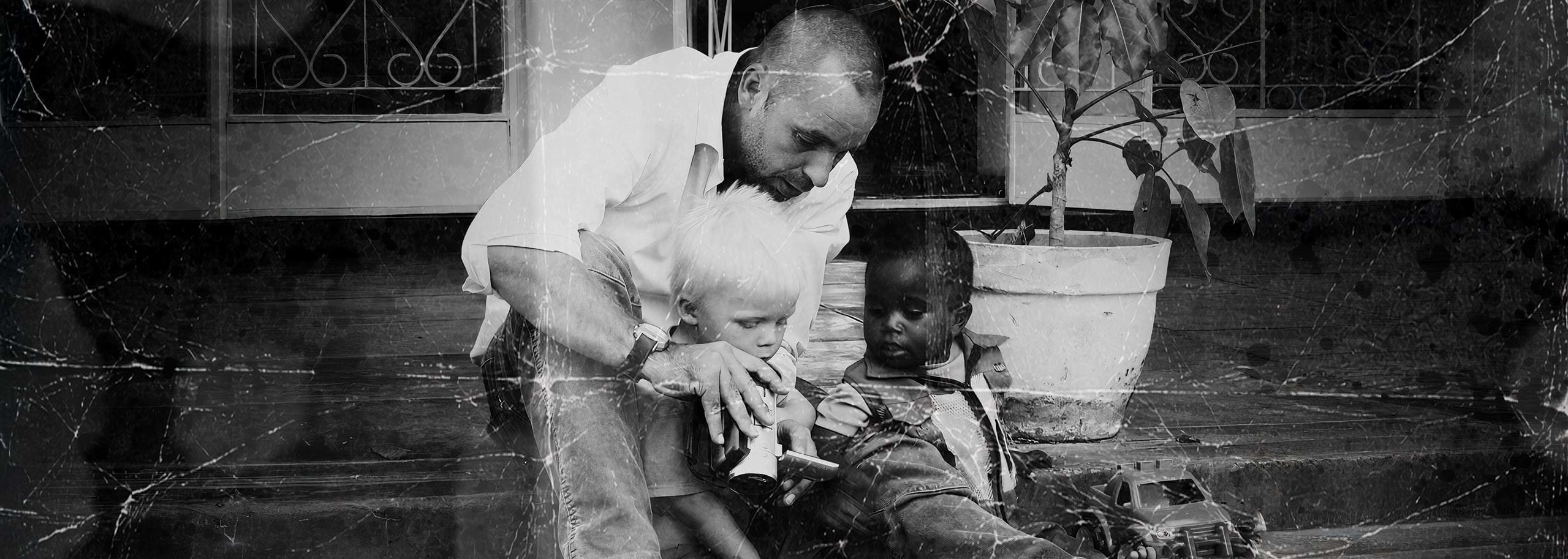
Just like it is for most of you.
Hindenburg is not your average DAW. It is a storytelling tool.
Made for journalists by journalists, and for everyone who works with audio narratives.
It is built on a deep understanding of the daily struggles and frustrations of the working audio storyteller, but also the joy of the editing process.
There is a reason for that. It is rooted in the story of Hindenburg, and in the road that lies ahead.
Like your daily work producing audio stories, Hindenburg was born in the mid-2000s out of appreciation, necessity and a deep love for audio storytelling, and from a strong belief in the importance of letting stories be heard.
Perhaps more surprisingly, it was built first and foremost as a tool for connection between people.
Hindenburg is also a tribute to craftsmanship. To the creativity within every well-told story. To the way your work captivates audiences through sound.
It is a digital editor that embraces modern possibilities, yet carries roots in the era of analog editing. It preserves workflows and quality standards that still benefit the modern audio storyteller.
Do not let what was good disappear simply because time moves on. Let it live in a new and stronger shared format. Then build from there.
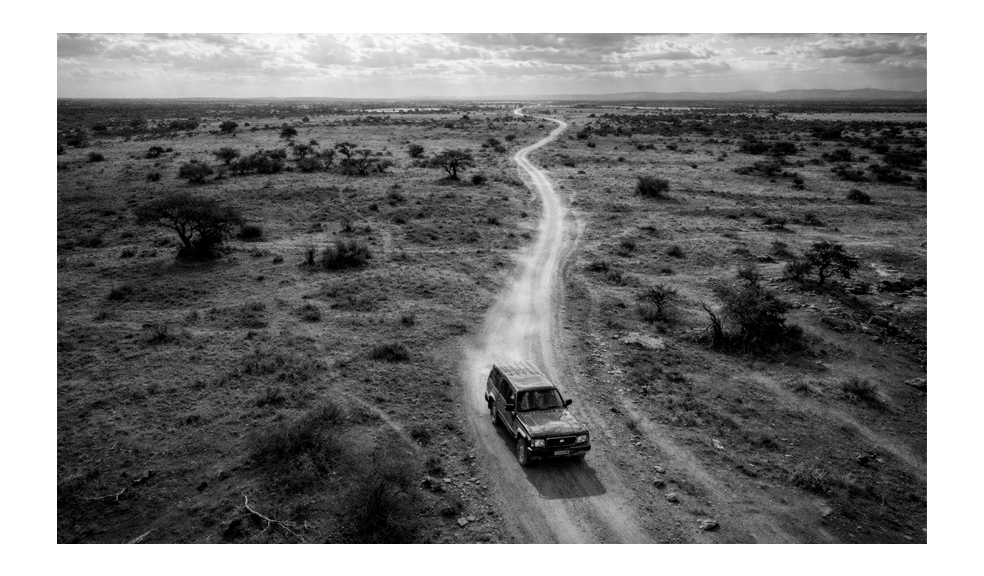
The idea for Hindenburg was born in a classic Nissan Patrol in Africa.
And so it is built. More about that later.
At the time, Nick Dunkerley, one of the founders of Hindenburg, was living and working in Tanzania with his wife and child as a consultant for DANIDA on a community radio project. The assignment was simple on paper: find out why donor-funded community radio stations were failing.
Significant funds had been invested in building stations across rural areas. Yet many of them stood abandoned only a few years later.
After visiting site after site, the pattern became clear.
The stations were designed like small commercial music broadcasters. A microphone. A couple of CD players. Basic mixing equipment. In some cases, literally container-based units placed in rural areas and switched on.
Technically, they functioned.
But they were built to entertain.
And that was not what the communities were looking for.
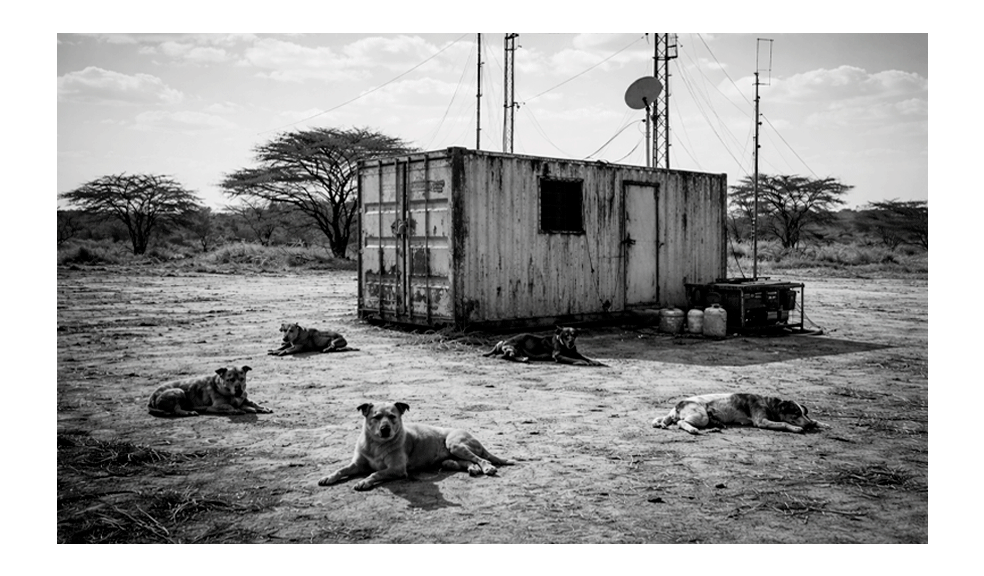
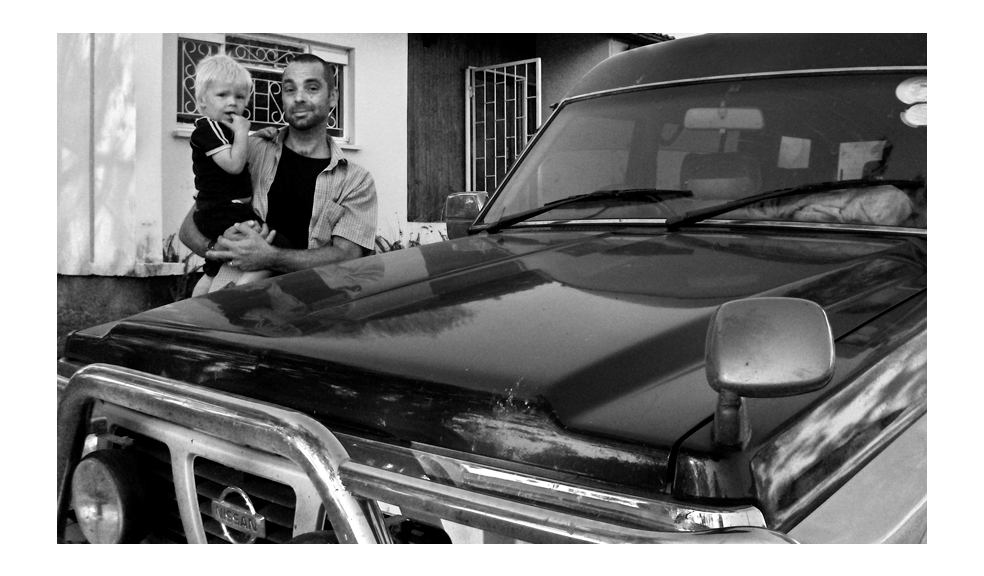
To better understand why the stations were failing, Nick began driving long distances between villages in a worn second-hand Nissan Patrol. High roof, overdrive, dusty from the road.
Nick loved that car.
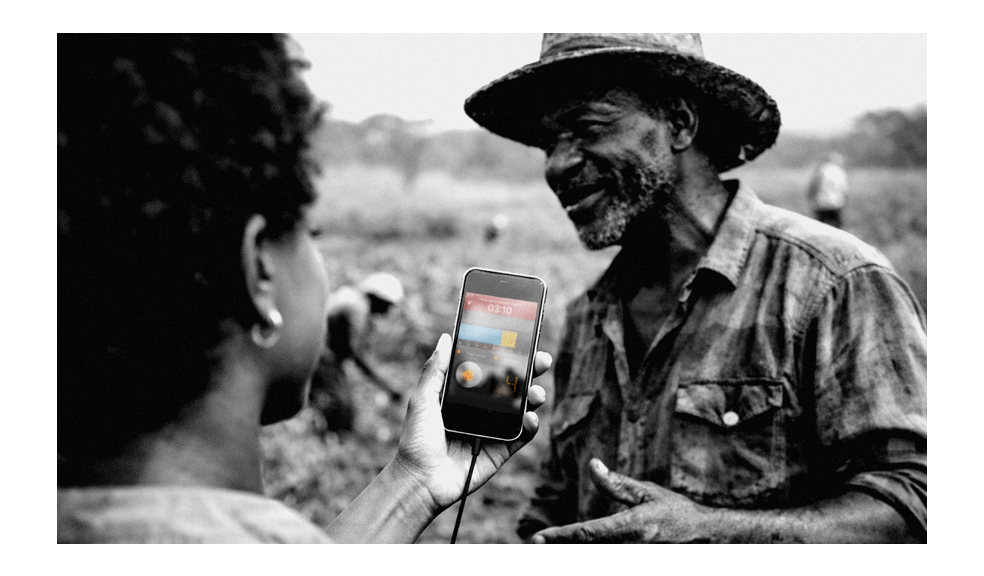
On these drives he spoke with local residents, listening to their experiences, how they saw the world and what they needed in their daily lives.
One day he gave a lift to an elderly African man who began telling stories from his rich life, reaching back to colonial times. He spoke of events not found in books, but lived and remembered.
When the old man stepped out of the vehicle, Nick realised that such stories are often lost quietly, without ever being documented.
And it was not only the old man. Everyone Nick met had stories. Stories of change, history, conflict, hope and daily life. Stories that were not being captured or shared as they should.
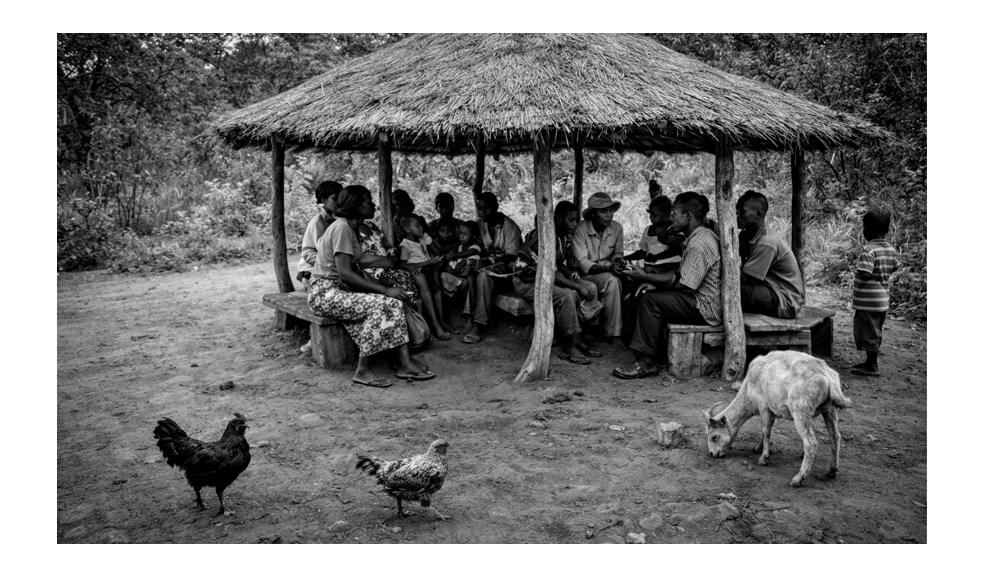
The previously built radio stations had misunderstood local needs and culture. They had not experienced the local Nsaka, a traditional open-sided gathering space used for sharing meals, stories, news and knowledge. A place of connection.
What the people were asking for was, in essence, an airborne Nsaka. Not entertainment.
The stations that had been built were designed to broadcast at people.
What the communities wanted was a way to speak with each other.
They were not asking for music rotation.
They were asking for connection.
That insight reframed the entire problem.
The issue was not funding.
It was design.
It was there, in the Nissan Patrol surrounded by dust roads and open sky, that the hot air began to fill the balloon.
An idea started to rise.
Nick’s background as a radio producer, sound engineer and working journalist at the Danish National Broadcasting Corporation gave him clarity.
Storytelling radio requires a different workflow than music production.
It requires clarity. Speed. Focus.
Tools that support narrative thinking rather than technical complexity.
But at the time, no digital editor truly supported spoken-word storytelling.
Existing DAWs were built for music.
They were powerful, but unnecessarily complicated for journalists and narrative producers.
They required technical knowledge that distracted from the craft of shaping a story.
If community radio was to become sustainable, if storytelling was to be central, it needed a tool designed specifically for that purpose.
Something effortless to use. Fast. Rugged. Reliable. Intuitive.
Capable of maintaining consistent broadcast standards without getting in the way.
Hindenburg grew from that need.
Not as a general-purpose audio workstation.
But as a dedicated instrument for audio storytelling.
Nick had a clear vision of what that software should be.
But an idea is one thing. Execution is another. Every frontier explorer needs a companion.
Fortunately, one of Nick’s close friends was the mastermind programmer Preben. When Preben visited Africa, Nick shared the vision. Together they laid the foundation of what would become Hindenburg.
He also carried with him an appreciation for Scandinavian design and its principles.
A tool should be born out of its function. But functionality alone is not enough.
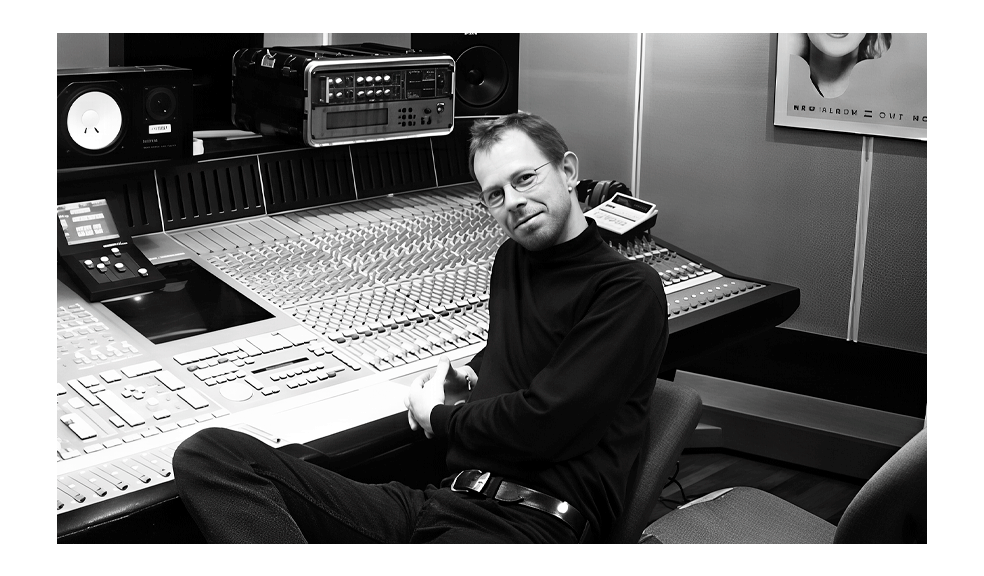
In the beginning, the software was never meant to be commercial.
It was designed, as described above, as a helping hand to spread stories in places where possibilities and funds were limited.
Nick brought decades of radio production experience into the development.
He was frustrated with technology for its own sake.
Technology should serve the story.
Not dominate it.
Digital tools had become increasingly complex while losing some of the clarity and discipline of analog production.
Hindenburg was designed to restore that focus.
It embraced modern digital possibilities while preserving the professional standards and workflows that experienced broadcasters relied on.
He also carried with him an appreciation for Scandinavian design and its principles.
A tool should be born out of its function. But functionality alone is not enough.
To become a trusted companion, it must also be aesthetically pleasing and a welcoming, well-considered space to work in.
It should create a focused and balanced environment with minimal distraction, inspiring the editor, encouraging playfulness, and supporting creativity rather than obstructing it.
When early alpha versions were shared with colleagues at the Danish National Broadcasting Corporation, they were not merely tested. They were used immediately for production. The need had been broader than expected.
As the software took shape, it was joined by a lesser-known yet essential and agile companion. An affordable and effective mobile recorder was developed to capture stories wherever they emerged, long before they reached the studio.
The rest is history.
The Hindenburg history.
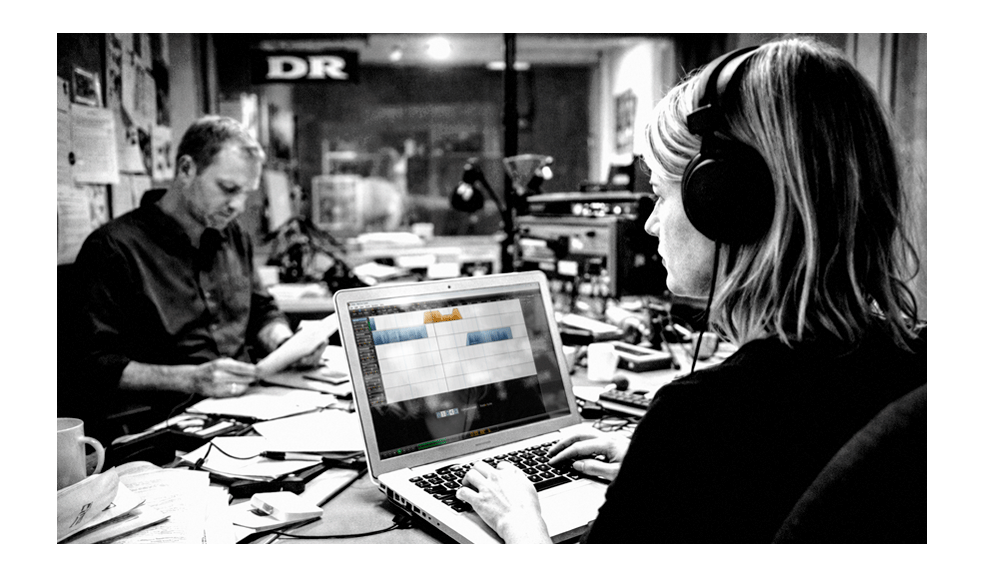
And so the story continues.
Stories define us. They shape us. They carry power.
Our collective human story will only ever be complete if everyone has a voice.
That is why we believe everyone, regardless of technical expertise, should have access to professional tools that make it easy to share stories with the world.
Long-form audio storytelling may be more important than ever in an age of polarization and questionable truths.
When we understand the reasons behind another person’s position, when we hear their story, we are more likely to resolve conflict constructively instead of fighting from opposing trenches.
That makes you, the storyteller, essential.
And then we are back to cross-country four-wheel drive.
In many ways Hindenburg is built like a Nissan Patrol.
Built for the long road.
Not built for spectacle.
Built to keep going.
Reliable. Strong. Repairable without excessive technical knowledge.
Capable and a joy to drive, wherever stories take you.
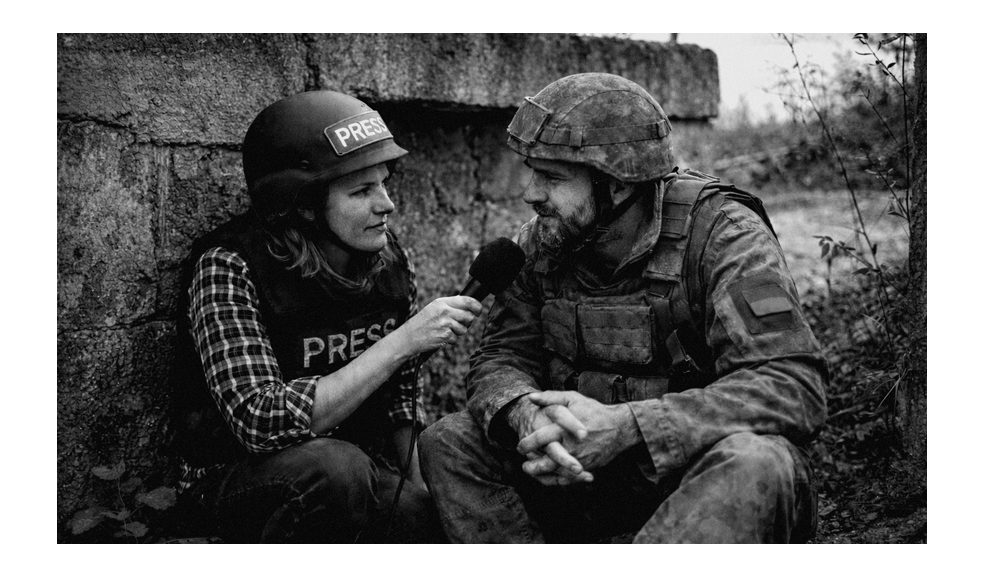
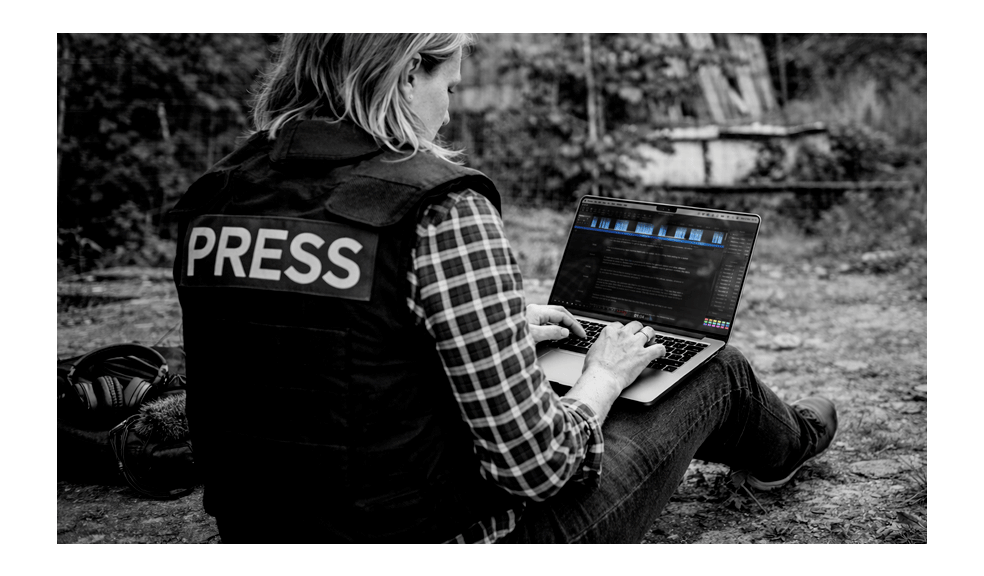
But like the finest versions of its kind, it combines durability with refinement. Clean design. Considered workflow. A sense of calm control that makes working a pleasure. It carries a quiet, understated daily joy for those who value well-crafted tools.
One element of this rugged independence matters deeply in our time. Hindenburg works wherever stories take you. Even offline. It does not depend on distant engines or constant connection.
Wherever you go, it goes with you.
This is practical. But it is also principled.
Your story remains yours. You decide when, where and for whom it is heard.
We’re Listening…
Our mission continues: to create a trusted and enduring professional companion for audio storytellers. To refine and simplify. To automate the technical tasks that obstruct creativity. To listen.
Because our editor was built on exactly that: listening. To you. Storytellers. Your associates. Your needs.
As you know, perhaps the most important capability in storytelling is the ability to listen.
Hindenburg was built on listening and built to connect people.
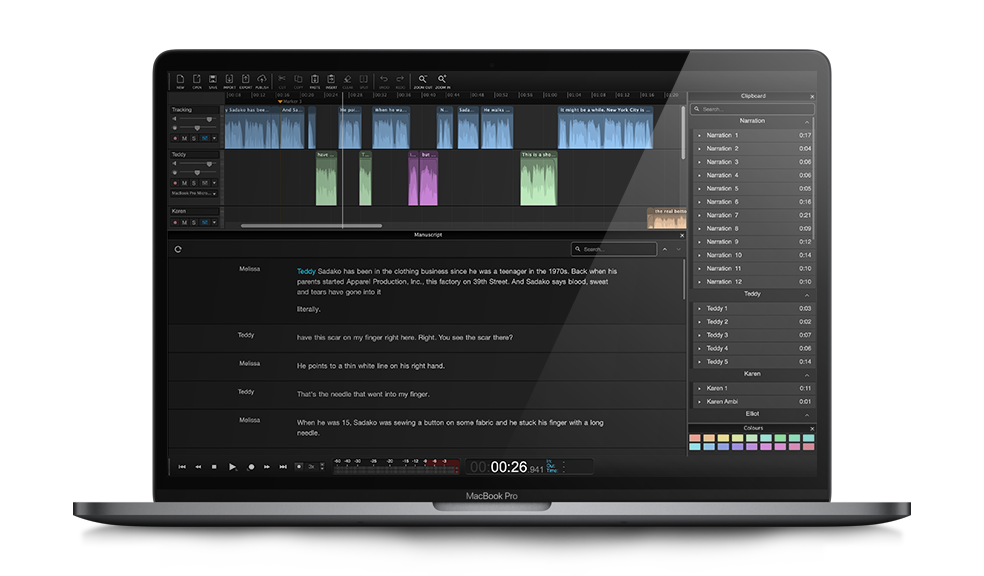
What began in villages in Tanzania uncovered something universal: the human need for connection.
The need to build community and relationships.
That need does not belong to one place.
It applies everywhere.
Hindenburg was never about building the most feature-heavy DAW.
It was about building the right instrument for storytellers.
Because stories shape how we understand each other.
And understanding is where connection begins.
We must never forget what connects us all.
It is all about the story.

They have supported me and others working in non-profit media in Southern Africa for years, enabling many people to speak up and tell their own stories.
being part of a community
Hindenburg began from the community radio experience in Africa, and we are happy to make our products available at low and no cost to those same communities, as well as to non-profits worldwide. We are proud of our products, but we are even more proud of the community that uses them to tell thousands of new stories every day. From grade schools to college campuses, from podcasters to audiobook narrators and internationally syndicated radio stations, to you. We can’t wait to hear the stories you’ll tell next.

Stay sharp - join our newsletter and be first in the loop on new stories, updates and blogs.