

The Fifth Day of Christmas
By Nick Dunkerley
🎄 We’re almost ready to head out into the snow.
Boots? Check. Coat? Check. Woolen scarf? Double-check.
But before we venture outside, there’s one more thing we need: the right microphone.
Let’s face it - the world of microphones is vast and often incomprehensible.
Finding the right one can leave you flustered, frustrated, and furious. Much like me trying to find the ideal Christmas present.
Gold or silver? How should I know? Anyway, there’s a mic for every occasion, but which one is right for you?
Let’s break it down.
Microphones come in two main types: condenser and dynamic.
These systems work in completely different ways, and each has its strengths and weaknesses.
How They Work:
A condenser microphone uses a thin, lightweight diaphragm paired with an electrical capacitor to capture sound.
That’s the 48V phantom power you might have heard about.
It’s highly sensitive and excels at picking up subtle details.
Like a snowflake landing on a butterfly’s wing.
When to Use Them:
If you’re in a controlled studio, a condenser mic can deliver stunning sound quality, capturing every nuance, from the quietest whisper to the faintest jingle of bells.
The Downside:
Condensers are sensitive to everything, including wind, handling noise, breath pops, and even environmental changes like snow.
While the sound can be amazing, this sensitivity makes them unreliable for fieldwork.
How They Work:
A dynamic mic works like a reverse loudspeaker, using a magnet and coil to convert sound waves into electrical signals.
This design makes it robust and less sensitive to environmental noise.
When to Use Them:
Dynamic mics are built for real-world conditions.
Whether you’re at a bustling Christmas market, head down in a snowstorm, recording children high on candy, or interviewing Santa mid-drift, a dynamic mic will deliver consistent, reliable sound.
You might have heard that condenser microphones are “better,” and since you’re after the best possible sound, you might think that’s what you need.
But that’s not the case for field recording.
If you’re in a controlled studio environment, go with a condenser.
If you’re not, stick to a dynamic mic.
As a field reporter, you need the best sound possible every time. Not just sometimes.
Dynamic mics can handle the bumps, breaths, and chaos of fieldwork while still delivering clean, clear audio.
Now that we’ve established that you’re taking a dynamic mic, let’s look at some excellent options:
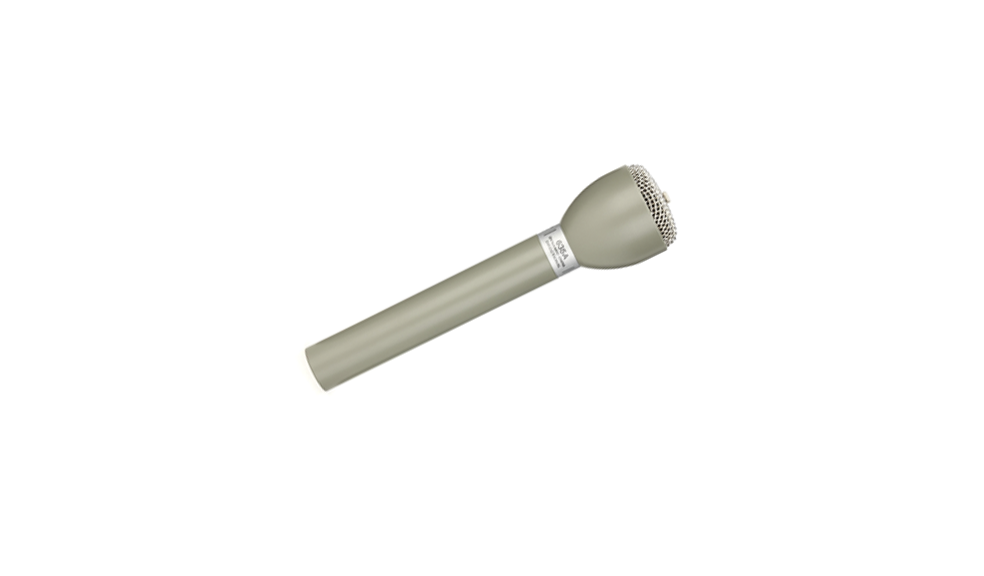
Electro-Voice 635A:
Known as "The Hammer," this dynamic mic is built to last.
It’s rugged, reliable, and delivers clear, natural sound in almost any condition.
If you can get your hands on one, do it.
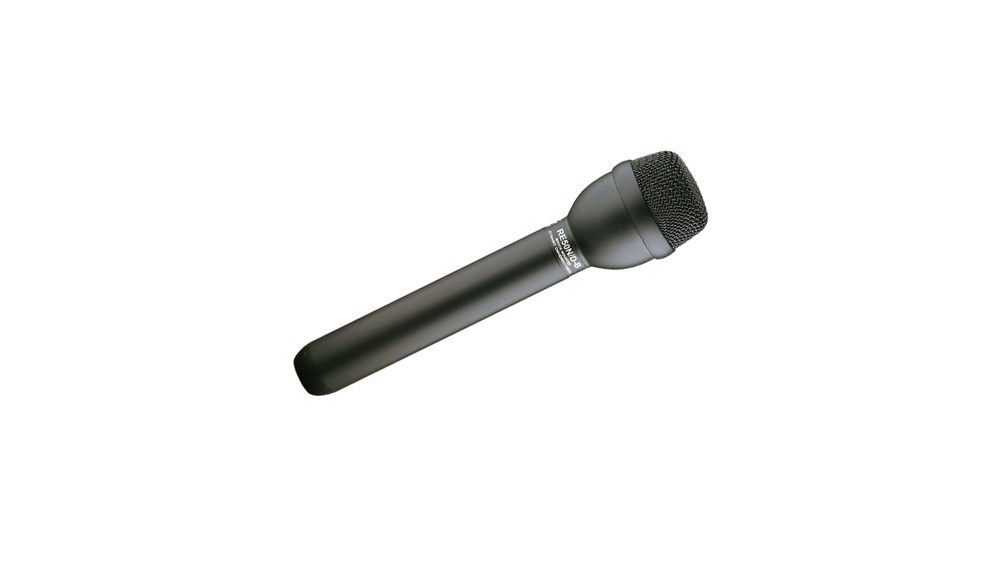
Electro-Voice RE50:
Another classic for good reason.
It’s a trusted staple in broadcast journalism.
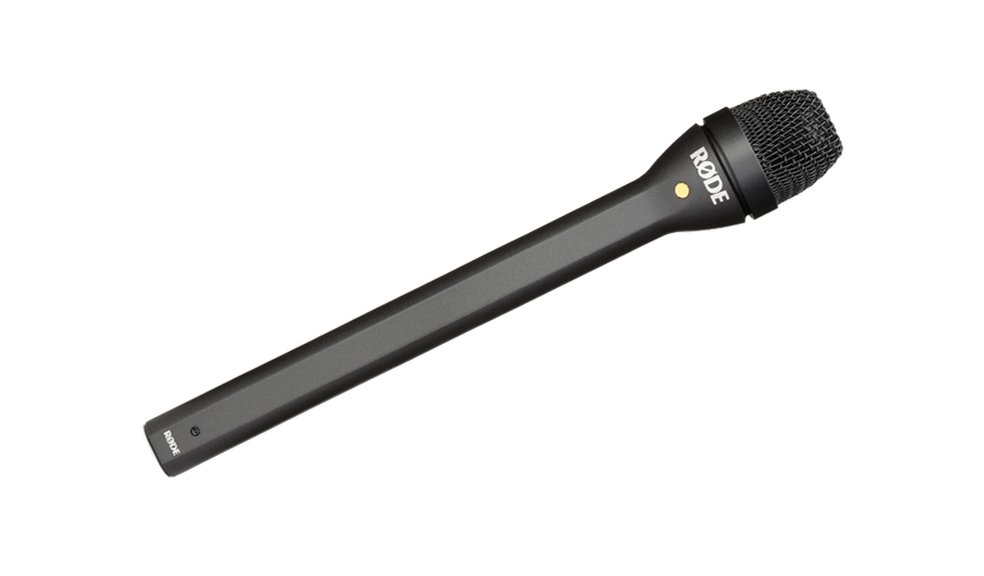
Røde Reporter:
Designed for interviews, this omnidirectional mic features an extra-long handle for easy positioning, making it a solid choice for live reporting.
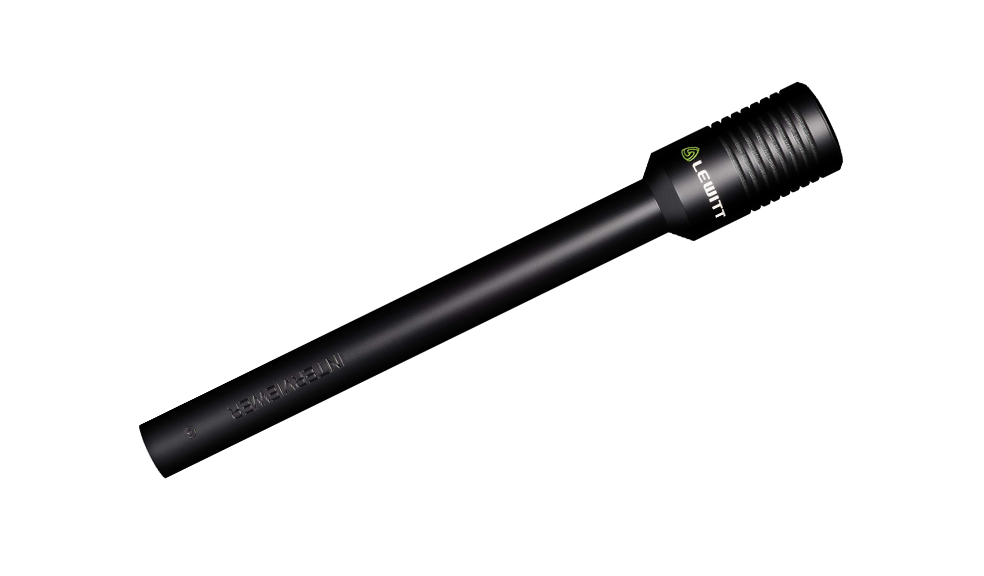
Lewitt Interviewer:
A newer addition to the field, this mic offers solid build quality and a competitive price, though it’s slightly less shock-resistant than the Electro-Voice 635A.
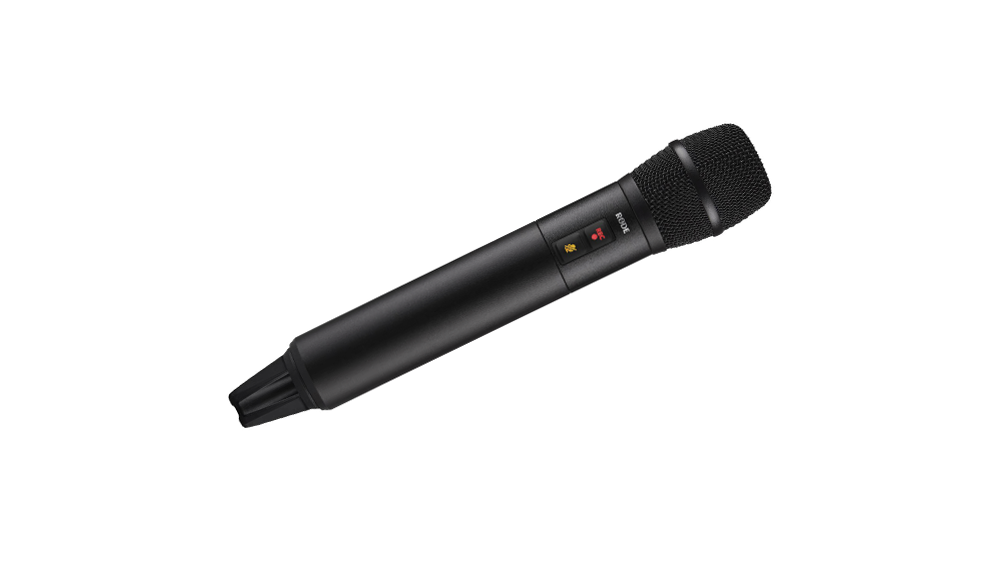
Røde Interview Pro:
A modern twist that works wirelessly with the Røde Wireless Go system or records internally in 32-bit float.
Perfect for reporters on the move who need flexibility.
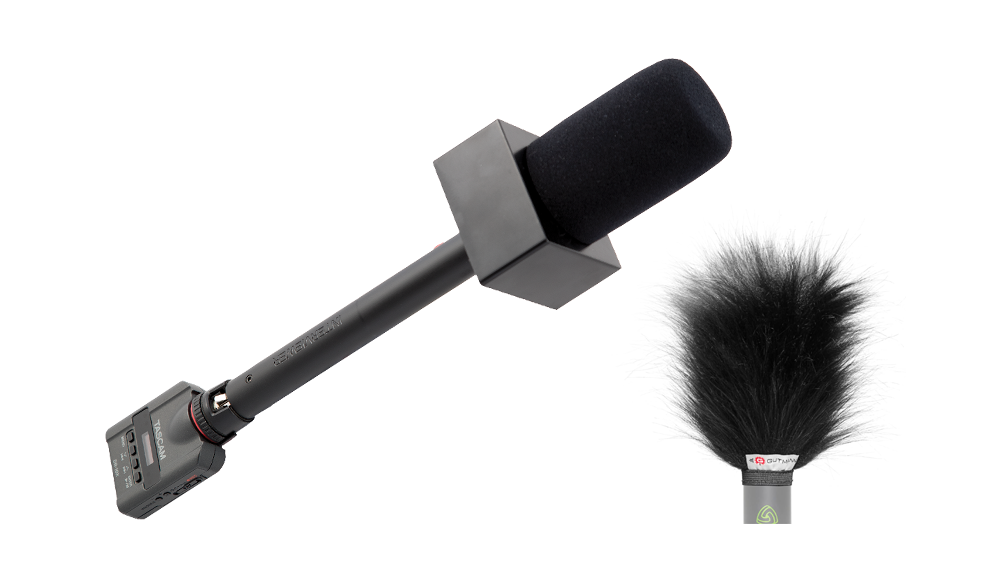
Even with a dynamic mic, there’s one accessory you should never leave behind: a furry windshield (affectionately called a “dead cat”).
This simple cover is a lifesaver when recording outdoors, minimising wind noise that can wreak havoc on your sound.
Keep one in your travel bag at all times.
It’s as essential as your woolly hat on a snowy day.
With the right mic and a trusty windshield, you’ll be ready to capture crisp, clear sound no matter what the holidays throw at you.
Tomorrow, we’ll talk about location scouting.
Because even the best microphone won’t save you, if you’re recording in the wrong place.
🎁 Today’s challenge: Test your microphone!
Whether it’s a condenser or dynamic mic, try recording indoors and outdoors to understand how it reacts to different environments.

I never would have started podcasting if it wasn’t for the auto-level and noise-reduction features in a minimalist interface
for iPhone recording
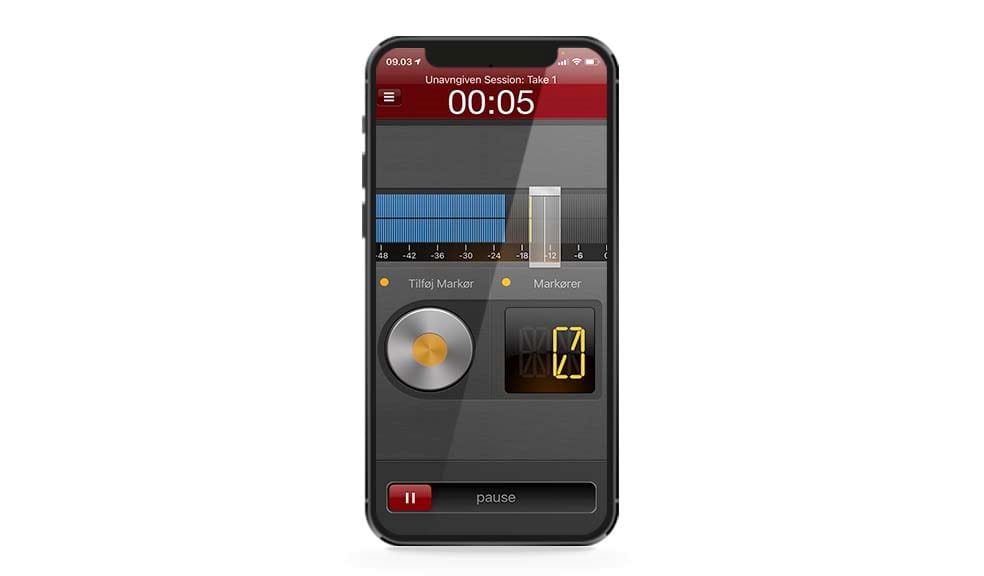
The best audio recorder is the one you have with you at all times, and our field recorder is ready to capture professional-level audio whenever and wherever you are.
Just plug in an iPhone-compatible microphone or use your phone’s built-in options, and you’re set!
We offer simple editing features as well as a one-dial compressor and a clipboard to store your favourite clips.
When you’re ready to export, you can send your session directly to Hindenburg PRO or LITE, or upload it to SoundCloud and a host of other sites. Always be ready.
Stay sharp - join our newsletter and be first in the loop on new stories, updates and blogs.