
The Fifteenth Day of Christmas
By Nick Dunkerley
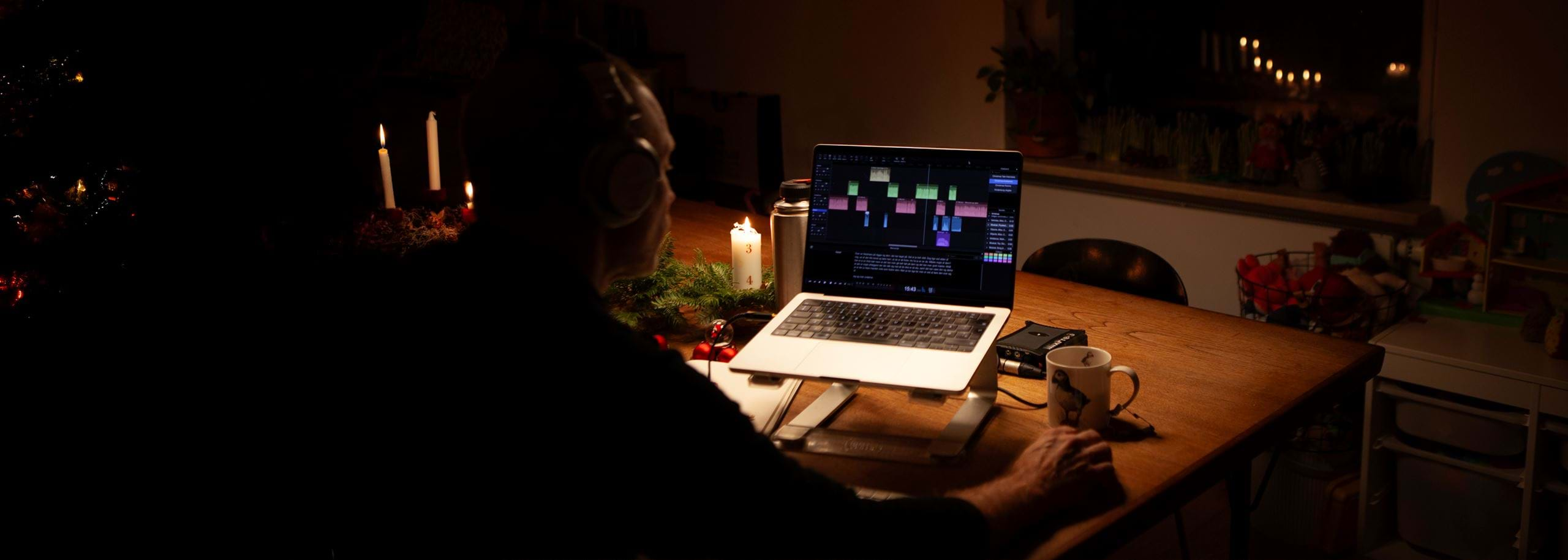
🎄 With your recordings safely imported and organized, and the fireplace crackling in the background, it’s time to start crafting the first pieces of your story.
Today, we’ll dive into rough editing.
Assembling the raw material into larger blocks of narrative.
Think of this step as filling a stocking: you’ve got a pile of goodies, and now you’re sorting through them, picking out the best treats to create something delightful for your listeners.
Rough editing is about creating the framework of your story.
It’s not about polishing or perfecting.
This is where you sort through the audio, group similar pieces, and assemble them into coherent sections.
These blocks will later be tied together to tell the full story.
Find Connections
Go through your soundbites like you’re pulling out shiny ornaments.
Which ones stand out and belong together?
For example:
Guest 1, male: “We always meet in the afternoon for mulled wine.”
Guest 2, female: “I haven’t celebrated the holidays in years. I travel far away to escape it all.”
Guest 3, child: “I LOVE IT, I LOOOOOVE CHRISTMAS!”
Together, these clips start to shape a narrative of diverse Christmas traditions.
Combine Snippets
Like stringing a garland, weave smaller clips together into meaningful sections.
For example: Pair a guest’s description of a bustling kitchen with the ambient sound of a timer dinging and pans clattering.
Trim the Fat
Snip away the ums, uhs, and unnecessary tangents.
It’s like trimming the ends of the ribbon.
Clean, neat, and ready to shine.
Before wrapping things up, make sure your audio sounds clear and consistent.
Interview Levels
Adjust your guest’s voice to peak around -9 dB on a QPPM (Quasi Peak Program Meter).
This keeps the dialogue clear and ensures it’s easy for listeners to follow.
Manual Adjustments
While some DAWs can automate levels, it’s always best to fine-tune manually to match the unique dynamics of your recordings.
🎧 Pro Tip: We’ll cover detailed level balancing later, but setting solid interview levels now will give your rough blocks a polished feel.
Once your blocks start taking shape, it’s time to get organized.
Like hanging stockings neatly by the fireplace.
Use Your Clipboard
If your DAW has a clipboard, move your edited sections there and label them clearly.
Use names like “Guest Quotes: Family Traditions” or “Ambience: Holiday Kitchen.”
No Clipboard? No Problem
Dedicate a section of your workspace to these edited blocks.
Use markers or color-coding to keep track of key sections.
🎧 Pro Tip: Even if your blocks include multiple tracks (dialogue, sounds, or ambience), group them together and save them as labeled sections for quick access later.
As you work through your edits, pay close attention to how your story flows.
It’s like decorating a room for the holidays—everything should feel balanced and welcoming.
Play Back Your Edits
After assembling a section, listen through and check the flow.
Does it feel smooth, or does it need adjustment?
Balance Pauses and Momentum
Allow moments for reflection or transition, especially after emotional soundbites.
Like the pause between carolers’ verses, a well-placed silence can enhance the impact.
Trust Your Instincts
If something feels off, don’t be afraid to rearrange or tweak the pacing until it feels right.
🎧 Pro Tip: Pacing is like wrapping a gift.
The details matter, but the joy comes when it all comes together beautifully.
Save Your Work in Sections
Think of each block as its own stocking.
Filled and ready to hang, labeled with care.
Work on Key Moments First
Focus on the moments that feel most magical or vivid.
These are the ornaments that will sparkle on your story’s tree.
Take Breaks
Step away occasionally to enjoy the glow of your hard work.
Maybe with a fresh cup of cocoa.
Returning with fresh ears often reveals hidden gems.
🎁 Todays Challenge: Spend 1–2 hours building your first rough blocks.
Combine soundbites into coherent sections, set your initial levels, and organize them neatly.
Don’t worry about perfection yet.
This is your chance to experiment and let the story take shape.
🎧 Pro Tip: Think of this stage as decorating the house.
Once you’ve got the garlands and stockings in place, the finishing touches will be a breeze.
Tomorrow, we’ll turn our focus to scripting. Adding narration to weave your story into a seamless narrative

Used the latest Hindenburg PRO for Sound School's latest episode - LOVED IT! Thanks for your incredible work and help over the years
Hindenburg PRO for storytellers
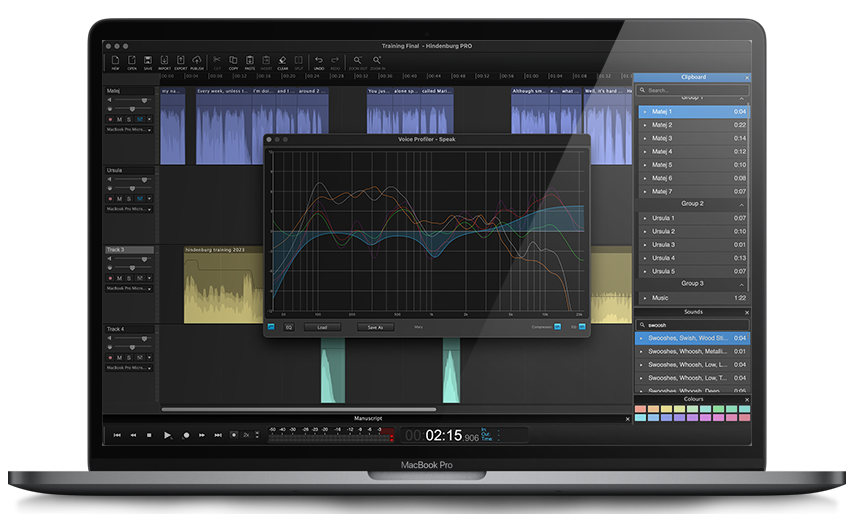
At Hindenburg, we're all about the story. Our tools are designed specifically with audio storytelling in mind, giving you everything you need to navigate and edit complex stories seamlessly. From Multitrack recording, transcriptions, clipboards, sound libraries and publish tools - Hindenburg Pro has you covered.
If you are considering a life in audio, then begin with a 30 day trial of Hindenburg PRO.
Stay sharp - join our newsletter and be first in the loop on new stories, updates and blogs.