
The Eleventh Day of Christmas
By Nick Dunkerley
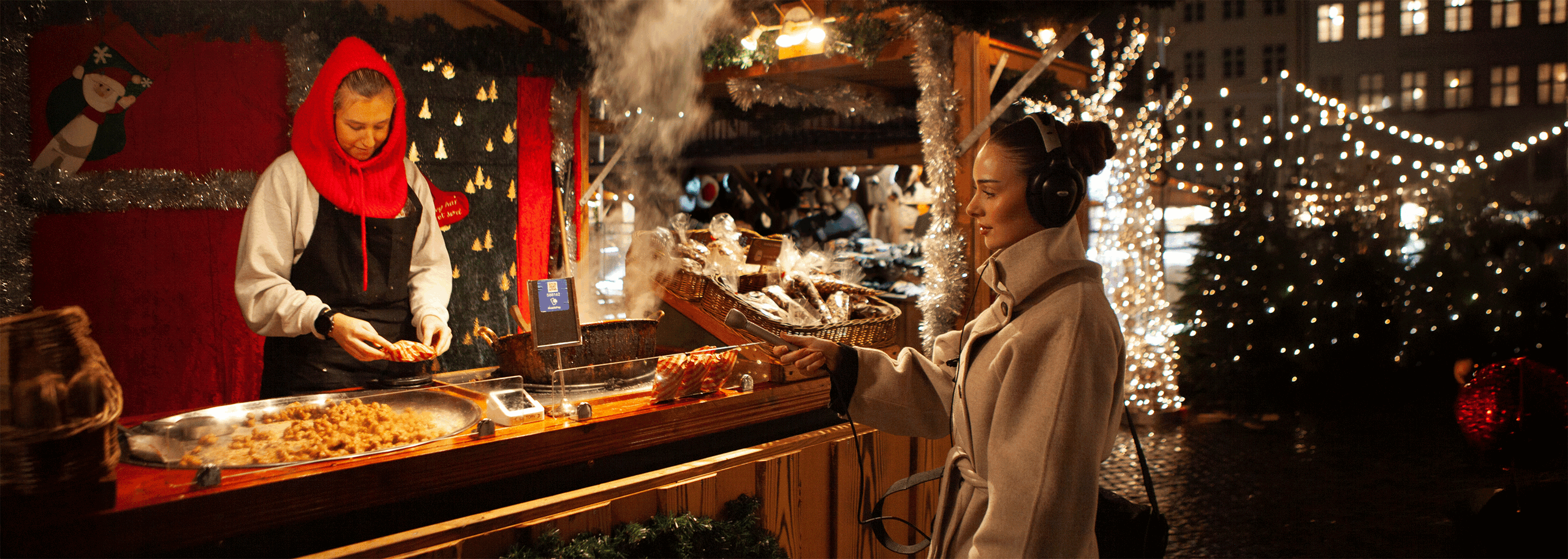
🎄 Yesterday, we recorded our guest interacting with their environment. Sharing their story in the moment.
Today, it’s just you and your microphone.
No voices, no interviews.
Just the sounds that set the scene.
Ambient sound is the secret ingredient of great audio storytelling.
It creates atmosphere, links scenes, and immerses your listener in the world you’re building.
During the holidays, the right ambience can evoke the magic of a winter wonderland. Imagine:
The gentle crunch of footsteps on freshly fallen snow.
A snowplow rumbling past, its scrape echoing down the street.
The soft rustle of tinsel on a Christmas tree as it’s being decorated.
These sounds aren’t just background. They’re the essence of your story.
These recordings will become the glue that holds your story together.
Whether you’re transitioning between scenes or creating an immersive moment, ambient sound enriches your narrative in ways words alone can’t.
To record ambience effectively, approach your microphone like it’s a camera.
In filmmaking, directors use different types of shots to frame scenes and convey meaning.
You can apply these same principles to audio:

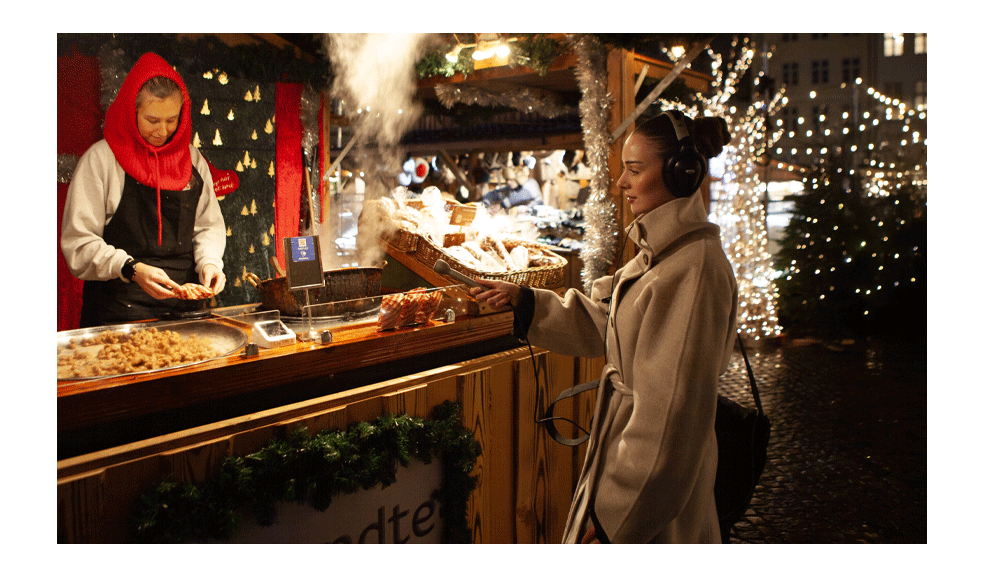

These “audio angles” let you build a layered soundscape later, drawing your listener into the story as though they’re walking through a snowy wonderland themselves.
Let’s return to yesterday’s scene: the kitchen where food was being prepared.
This time, it’s just you and your microphone.
Here’s how you might approach the recording:
Start with the Wide Shot
Place yourself in the middle of the kitchen and capture the total sound of the room.
Let your microphone pick up the overlapping symphony of activity.
The gentle hum of the oven, faint Christmas music playing in the background, and the rhythmic chop of a knife on a cutting board.
Move to the Medium Shot
Begin to isolate specific sounds. Shift closer to individual sources of noise:
By approaching the scene systematically, you ensure no important sound is overlooked.
Record in Logical Order
Start with the total scene (wide shots), then move to individual elements (medium shots), and finish with close-ups.
This keeps your workflow organized and ensures you don’t miss any part of the soundscape.
Use Markers
If your recorder allows it, set markers as you go.
This makes it easier to locate key sounds when you’re editing later.
Be Patient
Don’t rush through the recording.
Give yourself time to notice subtle sounds you might otherwise miss.
Like the faint hiss of a radiator or the distant laughter of children playing in the snow.
Stay Aware of Your Surroundings
Move carefully to avoid introducing unwanted noise.
Let the microphone do the work while you listen attentively through your headphones.
Just as with your interview, your headphones are your best friend when recording ambient sound.
They’re your window into the recording.
You’ll hear every hiss, crackle, and pop that’s making its way to the tape.
Make sure to use closed-back headphones to block out external noise, and listen to the sound as it’s being captured.
This ensures you catch any problems immediately, saving you headaches during editing.
🎁 Today’s Challenge: Choose a location. A snowy park, a bustling holiday market, or your own kitchen, and capture its ambience.
Use wide, medium, and close-up approaches, and experiment with different angles of sound.
Tomorrow, we’ll have a look at roomtone. The one thing we always, always forget to record.

Hindenburg is made with podcasters in mind! You can use it without being a 'pro' and there are tons of great tutorials!
Hindenburg PRO for storytellers
At Hindenburg, we're all about the story. Our tools are designed specifically with audio storytelling in mind, giving you everything you need to navigate and edit complex stories seamlessly. From Multitrack recording, transcriptions, clipboards, sound libraries and publish tools - Hindenburg Pro has you covered.
If you are considering a life in audio, then begin with a 30 day trial of Hindenburg PRO.
Stay sharp - join our newsletter and be first in the loop on new stories, updates and blogs.