
The Tenth Day of Christmas
By Nick Dunkerley
🎄 Yesterday, we focused on directing and shaping the heart of the interview, keeping the listener in mind.
Today, we’re taking the conversation further.
Stepping out of the quiet, controlled space and into the real world.
Why?
Because audio storytelling isn’t just about sharing information.
It’s about creating an experience. By moving the interview into an active environment, you let the listener feel like they’re there.
Walking beside your guest, hearing the story unfold around them.
And here’s the key: this is still part of the interview.
Your guest and the people around them need to explain what they’re doing as you capture the sound.
Their voices, combined with the environment, make the story dynamic, immersive, and authentic.
This isn’t about capturing pure ambience (that’s tomorrow’s focus).
Instead, this is about interactive soundscapes.
Moments where your guest is actively demonstrating or explaining their story.
Think of it as an extension of the conversation.
The environment isn’t just a backdrop; it’s a participant, adding texture and layers to the narrative.
Let’s say you’re working on "The Sound of Christmas" and exploring how different people celebrate the holiday.
Your guest has shared their traditions in a quiet space, but now it’s time to show the listener what those traditions sound like.
Here’s how this could unfold:
1. Follow Into the Kitchen:
You:
“Can you show me how you prepare the Christmas meal?”
Background sounds:
Chopping vegetables, the sizzle of something frying on the stove, utensils clinking.
Guest:
“This is where we make the Christmas stew.
My grandmother’s recipe calls for three kinds of spices.
It’s our family’s favorite.”
1. Follow Into the Kitchen:
You:
“Can you show me how you prepare the Christmas meal?”
Background sounds:
Chopping vegetables, the sizzle of something frying on the stove, utensils clinking.
Guest:
“This is where we make the Christmas stew.
My grandmother’s recipe calls for three kinds of spices.
It’s our family’s favorite.”
2. Walk Through the House:
3. Include Others in the Story:
The focus here is on the interaction between the guest and their surroundings.
The sounds are part of the explanation
An extension of the story your guest is telling.
For example:
As your guest explains how they prepare their Christmas meal, you hear the clatter of pots and pans in the background.
When they talk about decorating the tree, you hear the crunch of footsteps as they walk across the living room.
This active interaction creates a sense of place while keeping the story anchored in the conversation.
Prompt the Guest:
Ask questions like “Can you show me how you do that?”
or “What’s happening right now?” to guide them through the process.
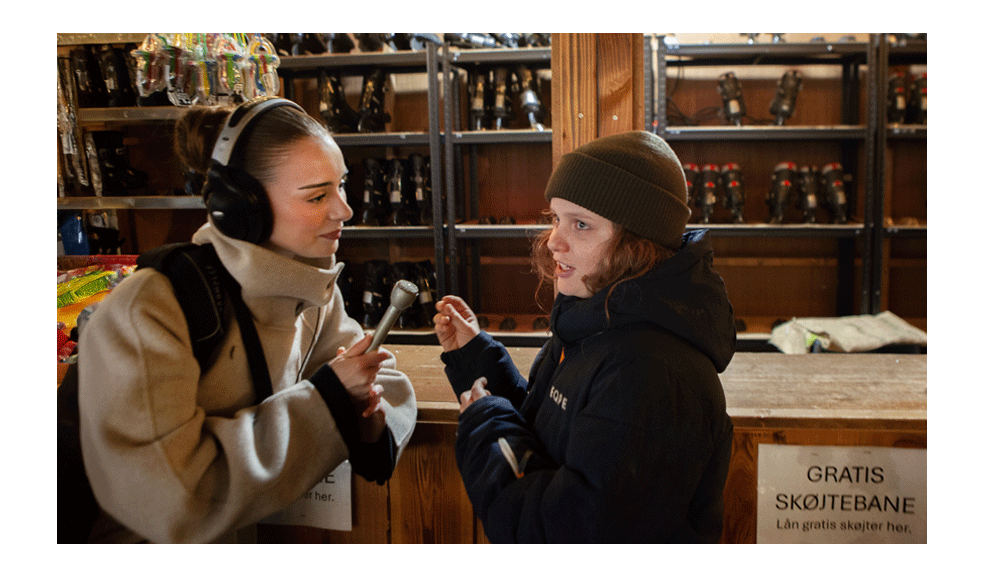
Mic Placement:
Use your microphone like a camera, focusing on the sounds as they happen.
If your guest is chopping, aim at the knife.
If they’re walking, follow their footsteps.
Engage Others:
If there are people nearby, involve them in the conversation.
Their voices and actions can add depth and spontaneity to the recording.
Stay Flexible:
Environments are unpredictable.
Be ready to adapt if something unexpected catches your attention.
It might lead to a great moment.
This kind of recording achieves two powerful things:
Authenticity:
When your guest interacts with their environment, the listener gets a sense of the real people and places behind the story.
Immersion:
Layering sound with voices creates a vivid, engaging audio experience that keeps the listener hooked.
🎁 Today’s Challenge: Practice recording an active interaction.
Ask someone to show you how they prepare a meal or set up a holiday decoration.
Record their explanations along with the sounds of the environment.
Tomorrow, we’ll shift gears to capturing pure ambience
Those subtle background sounds that glue your story together and set the mood.

I love Hindy's entire team. From day one, they’ve made me feel like I’m a part of their community.
Hindenburg PRO for storytellers
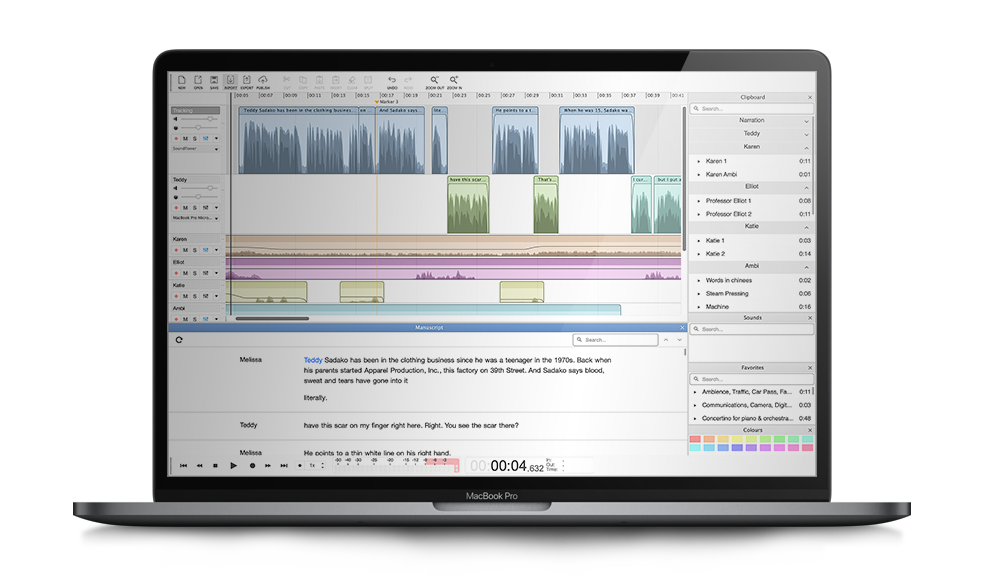
At Hindenburg, we're all about the story. Our tools are designed specifically with audio storytelling in mind, giving you everything you need to navigate and edit complex stories seamlessly. From Multitrack recording, transcriptions, clipboards, sound libraries and publish tools - Hindenburg Pro has you covered.
If you are considering a life in audio, then begin with a 30 day trial of Hindenburg PRO.
Stay sharp - join our newsletter and be first in the loop on new stories, updates and blogs.